
Growing Up Trans: A Story of Identity, Survival, and Becoming
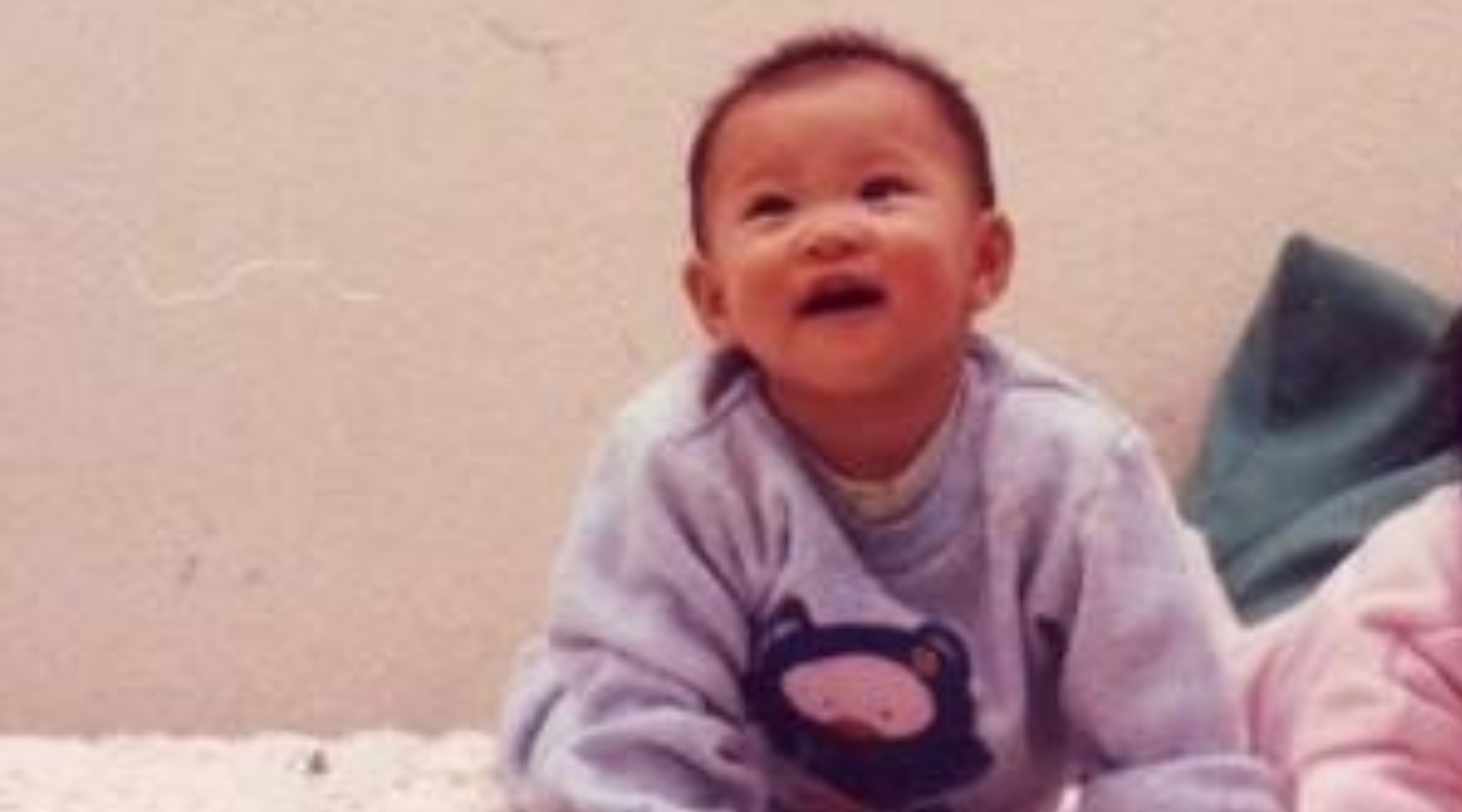
From as early as I can remember, I knew who I was.
As a child, I saw myself as a boy — not as a phase or a preference, but as a quiet, steady truth I carried inside. I gravitated toward things that felt natural to me: building with tools, racing toy cars, wearing jeans and t-shirts, and surrounding myself with things that reflected how I felt inside. My bedroom, my clothes, and the way I moved through the world all felt aligned — until I was reminded that others saw me differently.
For a long time, being perceived as a boy came easily. It wasn’t until moments of correction — when adults or peers reminded me of my assigned sex at birth — that confusion and shame crept in. Those reminders didn’t change who I was, but they did teach me that my truth was something others might reject.
When Being Seen Became Painful
One childhood memory stands out clearly.
At my aunt’s wedding rehearsal, children were directed to sit on different sides of the church based on gender. Without hesitation, I sat on the side reserved for boys. It felt obvious to me — instinctual.
Laughter followed. Then correction.
I was told, out loud, that I didn’t belong there.
That moment stayed with me. Not because of the words themselves, but because of the sudden realization that the way I understood myself wasn’t shared — or accepted — by the people around me. I moved to the other side quietly, feeling something inside me fracture. From that point forward, I became increasingly aware that I was expected to perform an identity that didn’t feel like mine.
Anything associated with femininity felt foreign and heavy. I internalized shame, not because I believed it, but because it was constantly reinforced. I was told how to dress, how to behave, how to exist — all in ways that contradicted what felt true.
Holding Onto Truth in Silence
As I grew older, I tried to make sense of my experience with the limited language I had access to at the time. I made wishes — the kind children make — believing that somehow, if I wanted it badly enough, things would change.
At school, I continued presenting as a boy. Teachers and classmates accepted me as such, and for a while, I was able to exist without being questioned. Those years felt lighter. Being recognized — even unknowingly — gave me space to breathe.
But that safety didn’t last.
Moments that forced conformity — uniforms, ceremonies, expectations — made it clear that my reality wasn’t sustainable in the environment I was in. Each correction felt like an erasure, and over time, the weight of that erasure took a toll.
Adolescence, Mislabeling, and Losing Myself
In my teenage years, I was given labels that didn’t fully explain my experience. Attraction to girls led others to assume I was a lesbian, and while that label made sense to some people, it didn’t bring clarity or relief to me.
Something still felt deeply wrong.
I struggled to recognize myself. I disconnected. I numbed pain instead of naming it. There were moments where the weight of living in a body that felt unfamiliar became unbearable. I didn’t yet have the words to explain what I was experiencing — only the knowledge that I was hurting and didn’t know how to ask for help.
Finding Language, Finding Hope
Everything began to shift when I came across stories of others who felt the same way I did.
For the first time, I encountered the word transgender. More importantly, I encountered people — real people — whose experiences mirrored my own. I wasn’t alone. I wasn’t broken. There was language for what I had been feeling my entire life.
Learning that there were paths forward — ways people aligned their external lives with their internal truths — gave me something I hadn’t had before: hope.
That hope didn’t solve everything overnight. But it gave me direction. It gave me permission to imagine a future where my body and identity could coexist without conflict.
Becoming
My journey toward becoming myself was not simple or linear. It took time, research, support, and courage. But each step brought me closer to living honestly — not just surviving, but existing fully.
This story isn’t shared to offer answers or instruction. It’s shared because representation matters. Because language matters. Because knowing you’re not alone can change everything.
— Anen
A Note to Readers
This post reflects personal experience and is shared for storytelling and connection. It is not medical advice and does not replace professional guidance. If you are struggling or in need of support, please seek care from qualified professionals or trusted community resources.


Comments